.svg)
.svg)

A Long-Term Solution for Missing Teeth
Dental implants provide a stable and durable way to replace missing teeth. At Ankeny Aesthetic Dentistry, implant dentistry focuses on restoring both the function and appearance of your smile while supporting long-term oral health.
When a tooth is lost, the surrounding bone and neighboring teeth can begin to shift over time. Dental implants help prevent these changes by replacing the missing tooth root and supporting a custom restoration that functions like a natural tooth.
Implant treatment is often recommended for patients who want a secure and natural-looking replacement for one or more missing teeth.

What Are Dental Implants?
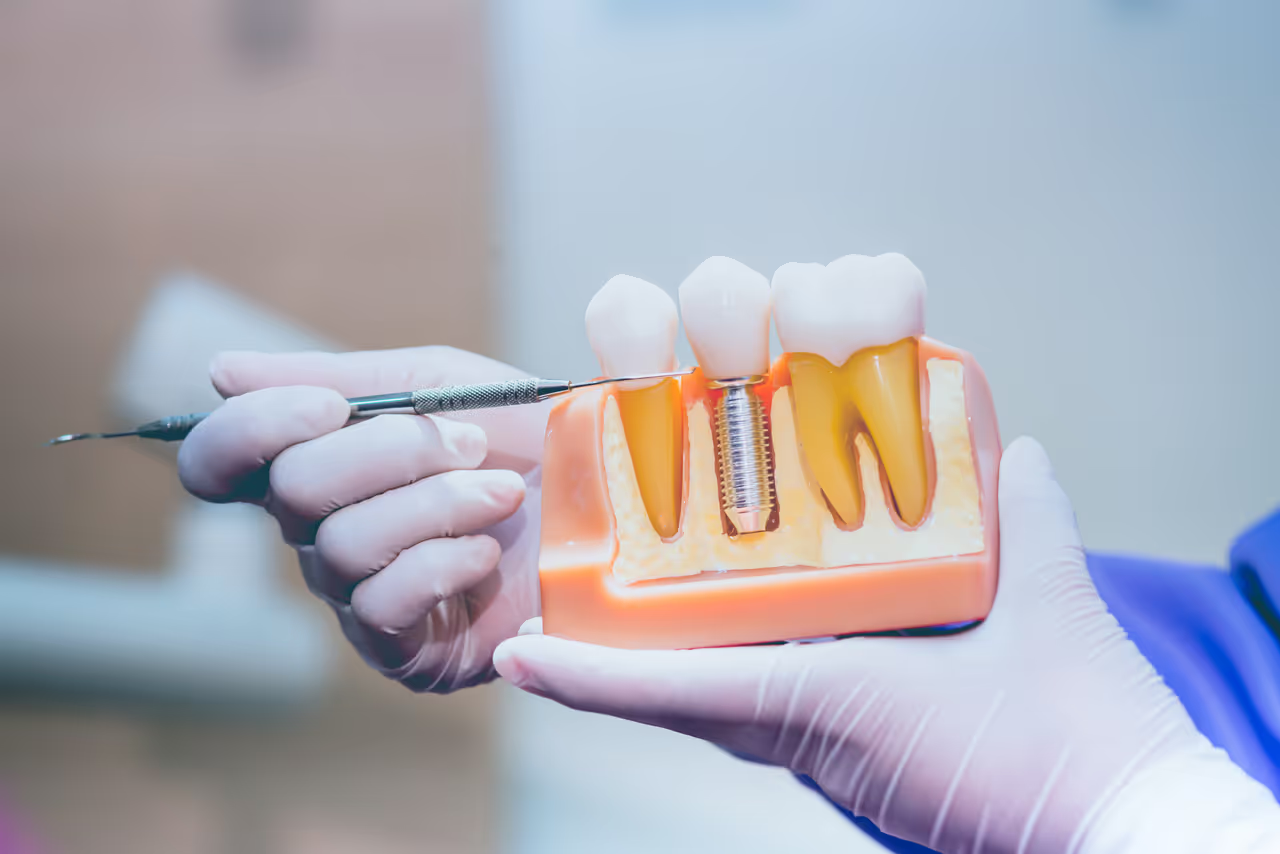
Dental implants are small titanium posts that are surgically placed into the jawbone where a tooth is missing. Over time, the implant integrates with the bone and acts as a stable foundation for a dental crown or other restoration.
A dental implant restoration typically consists of three components:
- The implant post placed in the jawbone
- An abutment that connects the implant to the restoration
- A custom crown designed to match surrounding teeth
Once complete, dental implants function similarly to natural teeth and allow patients to chew, speak, and smile with confidence.
Patients who require tooth replacement may also explore options such as Dental Bridges or Full & Partial Dentures depending on their needs.
Benefits of Dental Implants
Dental implants offer several advantages compared to traditional tooth replacement options.
Key benefits include:
- Strong and stable tooth replacement
- Natural appearance that blends with surrounding teeth
- Support for jawbone health and facial structure
- No reliance on neighboring teeth for support
- Long-lasting results with proper care
Because implants replace the tooth root, they help maintain bone density in the jaw and reduce the risk of bone loss that can occur after tooth loss.
Implant Restoration and Custom Crowns
After an implant has successfully integrated with the jawbone, a custom restoration is placed on top of the implant to complete the tooth replacement.
This restoration is typically a dental crown designed to match the size, shape, and color of your natural teeth.
Implant-supported crowns provide:
- Strong chewing function
- A natural-looking smile
- Long-term durability
- Improved comfort compared to removable appliances
In some cases, dental crowns used for implant restoration are similar to those used in Restorative Dentistry for repairing damaged teeth.
Technology Used in Implant Treatment
Successful implant treatment requires careful planning and precise diagnostics. Modern imaging technology allows dentists to evaluate bone structure and determine optimal implant placement.
Advanced technology used in treatment planning may include:
- High-resolution imaging with the 3D CT Scanner
- Digital impressions captured with the Digital Scanner
- Detailed oral imaging using the Intraoral Scanner
These tools help dentists create accurate treatment plans and improve overall outcomes for implant procedures.
Who May Be a Candidate for Dental Implants?
Dental implants may be recommended for patients who have lost one or more teeth and want a stable replacement option.
Ideal candidates typically:
- Have healthy gums
- Have adequate jawbone to support an implant
- Maintain good oral hygiene habits
- Are looking for a long-term tooth replacement solution
A consultation and dental examination can determine whether implant treatment is the right option for your specific needs.
Patients who maintain routine care through General Dentistry often have the best outcomes for implant treatment because their overall oral health is monitored regularly.
Frequently Asked Questions
Question text goes here
Answer text goes here
How long do dental implants last?
Dental implants are designed to be a long-term solution for missing teeth. With proper oral hygiene and regular dental checkups, implants can last many years.
Is the dental implant procedure painful?
The implant placement procedure is typically performed with local anesthesia to ensure patient comfort. Many patients report minimal discomfort following the procedure.
How long does the dental implant process take?
The complete implant process can take several months. This allows time for the implant to integrate with the jawbone before the final restoration is placed.
How do I care for dental implants?
Dental implants should be cared for just like natural teeth. Brushing, flossing, and regular dental visits help maintain the health of both the implant and surrounding tissues.
Schedule a Dental Implant Consultation
Missing teeth can affect both oral health and daily comfort. Dental implants provide a reliable and natural-looking solution for restoring your smile and improving function.
Our team works closely with patients to determine whether implant treatment is the right option and to develop a personalized treatment plan.
Schedule your consultation today through Book an Appointment or reach out through Contact Us to learn more.